

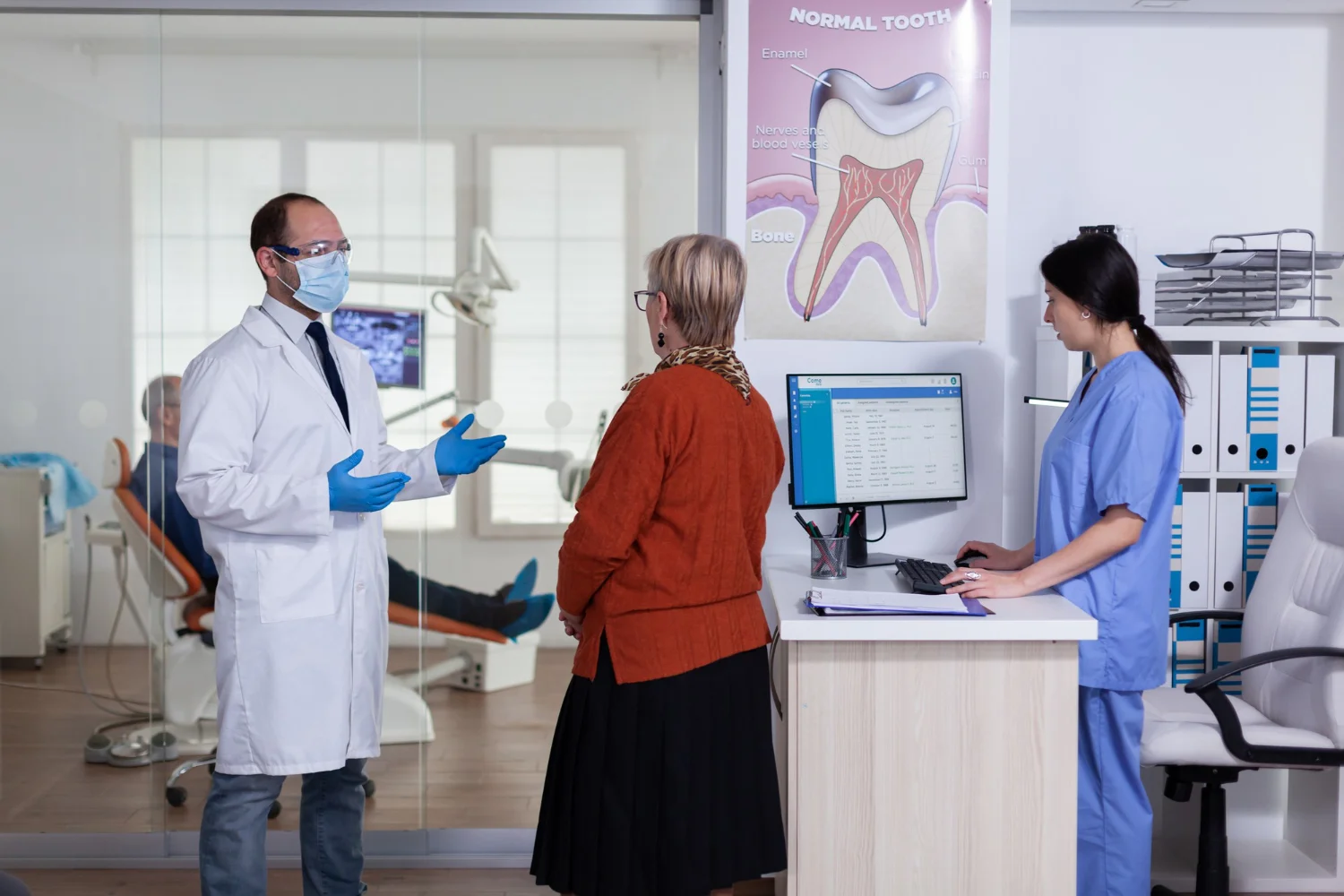

If you have old silver fillings, you may have wondered whether it’s time to have them replaced and whether doing so is safe. It’s a question that comes up often, and it’s a fair one. Amalgam fillings have been used in dentistry for well over a century, but attitudes towards them are shifting as newer, more aesthetic alternatives become widely available.
This article explains what amalgam fillings are, what the current evidence says about their safety, and what to expect if you’re considering dental filling replacement in Sydney.
What Are Amalgam Fillings, and Why Are People Having Them Removed?
Amalgam fillings, sometimes called ‘silver fillings’ or ‘mercury fillings’, are a durable, long-lasting restorative material made from a mixture of metals, including mercury, silver, tin, and copper. They’ve been used reliably for decades, and many Australians still have them sitting in their back teeth.
So why are people looking to have them removed? The reasons vary. Some patients are concerned about mercury fillings and their potential health implications. Others simply want a more natural-looking result and are interested in composite fillings or ceramic alternatives. And for some, old fillings are starting to show signs of wear, cracking, lifting at the edges, or causing sensitivity.
Whatever your reason, it’s worth understanding the facts before making a decision.
Is Amalgam Actually Dangerous? What the Evidence Says
The mercury content in amalgam fillings is a topic that generates a lot of concern online, and it’s understandable why. Mercury in its pure form is toxic. However, the mercury in dental amalgam is chemically bound to other metals, forming a stable alloy that behaves very differently.
The Australian Dental Association and major health bodies worldwide continue to recognise amalgam as a safe restorative material for most patients. Small amounts of mercury vapour can be released when chewing, but studies consistently show these levels fall well below any threshold considered harmful for healthy adults.
That said, certain groups are advised to avoid amalgam where possible. Pregnant women, breastfeeding mothers, children, and people with kidney conditions or mercury sensitivities are often better suited to alternative materials. In fact, Australia has progressively moved toward reducing amalgam use in these populations, in line with the Minamata Convention on Mercury.
So is amalgam safe? For most people, existing fillings pose minimal risk. But whether to keep or replace them is a personal decision best made in consultation with your dentist.
When Old Fillings Start Showing Symptoms
Not everyone seeking amalgam filling removal in Sydney is driven by health concerns alone. Many patients come in because their old fillings simply aren’t performing the way they once did.
Over time, amalgam fillings can corrode, crack, or pull away from the tooth surface. When this happens, bacteria can get underneath the filling, leading to decay beneath the restoration, often without any visible sign until the problem is well advanced. A cracked tooth filling can also cause sharp pain when biting, unexpected sensitivity to temperature, or a nagging ache that doesn’t resolve.
Common signs that an old filling may need attention include sensitivity when eating or drinking, visible cracks or darkening around the filling, a rough or uneven texture you can feel with your tongue, or food consistently getting caught in the same spot. If you’re noticing any of these, it’s worth having the filling assessed rather than waiting.
Safe Amalgam Removal: What the Process Involves
If you and your dentist agree that replacement is appropriate, the removal process itself requires care. When amalgam is drilled out, mercury vapour is temporarily released, which is why safe amalgam removal protocols matter.
Many dentists now follow guidelines developed by the SMART protocol (Safe Mercury Amalgam Removal Technique), which includes measures like using a rubber dam to isolate the tooth, chunking the filling into pieces rather than grinding it away, providing the patient with an alternative air supply, high-volume evacuation to capture particles and vapour, and careful filtration to protect both the patient and the environment.
These precautions significantly reduce mercury exposure during the removal process, making it a far safer procedure than simply drilling out an old filling without any protective steps in place.
What Are Your Tooth Filling Options in Sydney?
Once an amalgam filling is removed, the tooth will need to be restored with an alternative material. There are several strong options available, and the right choice depends on the location of the filling, the size of the cavity, and your personal preferences.
Composite fillings are the most common alternative. Made from a tooth-coloured resin, composite fillings bond directly to the tooth structure, meaning less healthy tooth material needs to be removed during preparation. They blend naturally with surrounding enamel and are suitable for most cavities. Composite fillings Sydney patients choose are typically cost-effective and can usually be placed in a single appointment.
Ceramic or porcelain fillings, sometimes called inlays or onlays, are a more durable, stain-resistant option. They’re fabricated to match the exact shape and shade of your tooth and are an excellent choice for larger restorations. Ceramic fillings cost more than composite due to the additional laboratory work involved, but they offer superior longevity and aesthetics.
Glass ionomer fillings are another option, often used in lower-stress areas or for patients with high decay risk, as they release fluoride over time. They’re less durable than composite or ceramic but useful in specific clinical situations.
Your dentist will help you weigh up the best fillings for your teeth based on your individual circumstances, including budget, bite forces, and the overall condition of the tooth.
Amalgam vs Composite: A Practical Comparison
The most common comparison patients make is amalgam vs composite, so it’s worth laying out the key differences plainly.
Amalgam is exceptionally durable and has a long track record, making it well-suited to high-pressure areas like molars. It’s also generally less expensive. The downsides are appearance – it’s visibly silver and can cause the tooth to appear grey over time – and the fact that placement requires removing more healthy tooth structure than composite.
Composite fillings match your natural tooth colour and require a more conservative preparation. They bond chemically to the tooth, which can actually strengthen it. However, they can be more susceptible to staining and may not last quite as long in very heavy chewing areas, though material quality has improved significantly in recent years.
For most patients today, composite is the preferred choice, particularly in visible areas. For very large restorations in back teeth, ceramic inlays or onlays often represent the best long-term investment.
What to Ask Your Dentist Before Going Ahead?
If you’re considering dental filling replacement, it’s reasonable to come to your appointment with a few questions. Ask whether your existing fillings are showing any signs of wear or failure. Find out which removal protocol your dentist follows and what replacement material they recommend for your specific tooth.
It’s also worth asking whether removal is clinically necessary or purely elective because in some cases, a well-sealed, intact amalgam filling that isn’t causing any problems may be best left alone. Removing a healthy filling carries its own risks, including temporary tooth sensitivity and the small chance of needing more extensive treatment if the underlying tooth is more compromised than expected.
The goal should always be the best outcome for your long-term oral health, not removal for its own sake.
Final Thoughts
Amalgam filling removal is a topic that deserves careful, balanced consideration. For patients with old, failing, or symptomatic fillings, replacement with a modern composite or ceramic alternative can absolutely be the right decision, and when carried out with proper, safe amalgam removal protocols, it’s a procedure that can be performed with minimal risk.
For others, existing amalgam fillings that remain intact and well-sealed may not require intervention at all. The most important step is getting a thorough, professional assessment so you can make an informed choice.
Whether you’re noticing symptoms with an old filling or simply want to explore your options, professional guidance can make all the difference.
With more than 30 years of experience providing high-quality dental care in Sydney’s CBD, Dr Finkelstein takes a patient-centred approach focused on long-term oral health and comfortable, anxiety-free treatment experiences. If you have questions about amalgam filling removal in Sydney or would like personalised advice on your tooth filling options, book a consultation today and take the next step towards a healthier, more confident smile.