

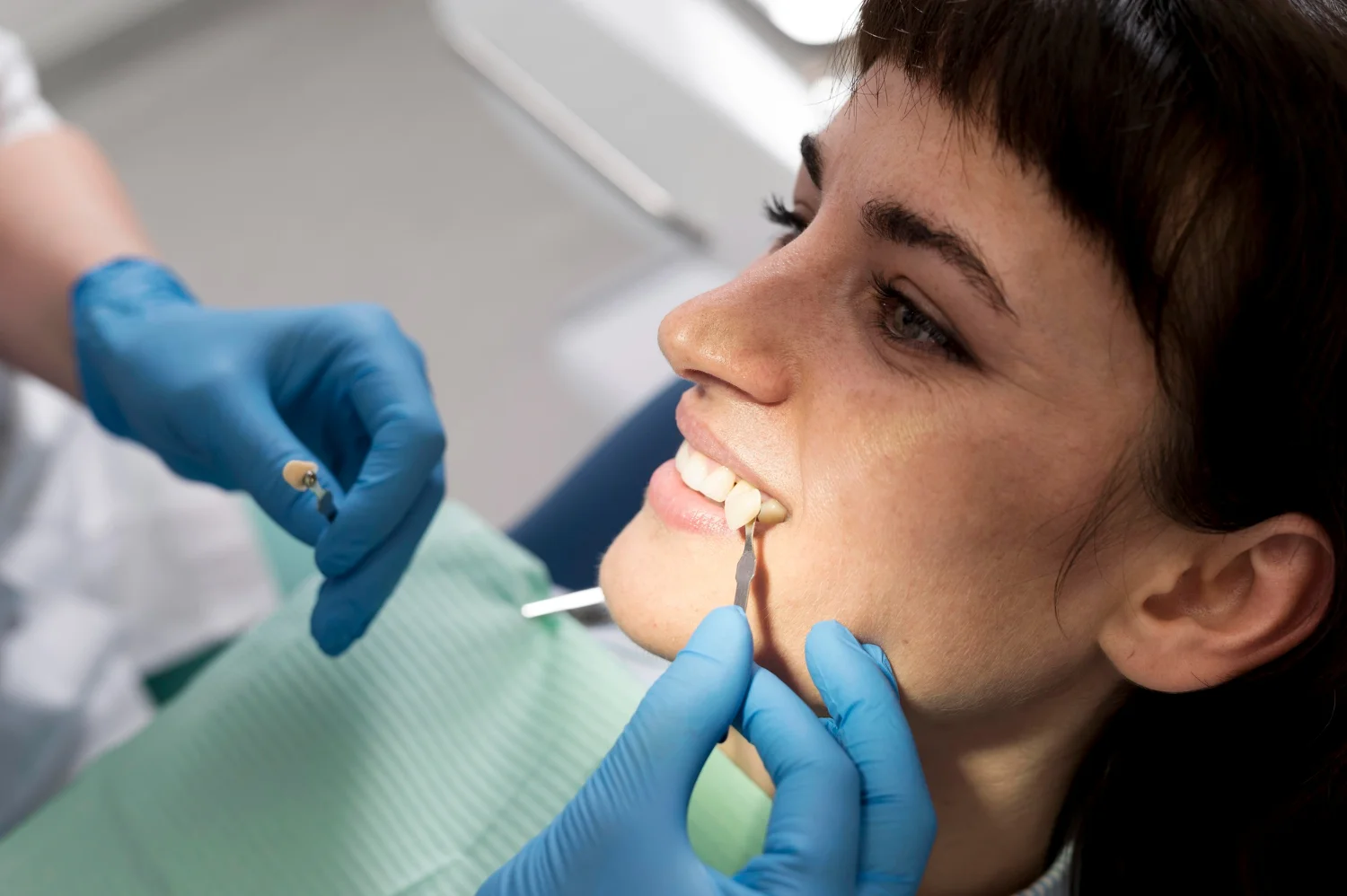

Not every smile concern requires major dental work. If you have a chipped tooth, a small gap, or some discolouration that makes you feel self-conscious, there is a good chance a straightforward cosmetic dental solution exists that can help. Teeth composite bonding is one of the most versatile and accessible treatments available today, and it is helping people across Sydney achieve natural-looking results without the time or cost of more complex procedures.
This article explains what composite bonding is, what it can treat, how the process works, and what to expect from your results.
What Is Teeth Composite Bonding?
Composite bonding is a cosmetic dental procedure in which a tooth-coloured resin material is applied directly to the surface of the tooth. The resin is carefully shaped and sculpted to correct the appearance of the tooth, then hardened using a special curing light. Once set, it is polished to blend seamlessly with the surrounding teeth.
The material used is the same type of composite resin used in tooth-coloured fillings. It bonds directly to the tooth structure, which means the procedure is minimally invasive and typically requires little to no removal of the natural tooth.
What Can Composite Bonding Treat?
One of the reasons composite bonding has become such a popular cosmetic dental solution is its versatility. It can address a wide range of aesthetic concerns, including:
Composite bonding for chipped teeth is perhaps the most common application. Whether a chip happened years ago or recently, bonding can restore the shape of the tooth quickly and effectively.
It is also used to repair cracked or fractured teeth where the damage is cosmetic rather than structural. For discolouration that has not responded to whitening treatments, bonding offers a way to cover staining and create a more even tooth colour.
Composite bonding for gaps between teeth is another well-suited application. Small spaces between teeth, particularly at the front of the mouth, can be closed or reduced with bonding without the need for orthodontic treatment.
Beyond that, it can be used to reshape teeth that appear too short, too pointy, or uneven in size, making it an effective component of a broader smile makeover treatment.
How Does the Procedure Work?
One of the biggest advantages of composite bonding is how straightforward the process is. In most cases, the entire treatment can be completed in a single appointment, and anaesthetic is rarely required unless bonding is being placed over a decayed area.
The dentist begins by selecting a composite resin shade that closely matches your natural teeth. The surface of the tooth is lightly prepared to help the resin adhere properly. The composite material is then applied in layers, with each layer shaped and moulded to achieve the desired result. Once the shape is correct, a curing light is used to harden the resin. The tooth is then polished to a smooth, natural finish.
Because the resin can be sculpted with precision, the final result looks and feels like a natural part of the tooth. Most patients are surprised by how lifelike the outcome is.
Veneers or Composite Bonding: Which Is Right for You?
A common question when exploring cosmetic options is whether to choose veneers or composite bonding. Both treatments can dramatically improve the appearance of teeth, but they differ in terms of process, cost, and longevity.
Porcelain veneers are thin shells that are custom-made in a laboratory and bonded to the front of the tooth. They tend to be more durable and stain-resistant over the long term, but they also involve more preparation of the natural tooth and a higher upfront cost.
Composite bonding, on the other hand, is applied directly in the chair, requires minimal tooth preparation, and is typically more affordable. It is an excellent choice for composite bonding for minor tooth damage, single tooth corrections, or patients who want to trial a cosmetic improvement before committing to a more permanent solution.
Your dentist will help you understand which option aligns with your goals, your budget, and the condition of your teeth.
How Long Does Composite Bonding Last?
A common question is, how long does composite bonding last? With proper care, composite bonding typically lasts between five and ten years. The lifespan depends on several factors, including where the bonding is placed, how well you care for your teeth, and your lifestyle habits.
Composite resin is durable but not indestructible. It can chip if subjected to force, and it can stain over time if exposed regularly to coffee, tea, red wine, or tobacco. Unlike porcelain, the resin is porous, which means it is slightly more susceptible to discolouration with heavy or frequent consumption of staining foods and drinks.
The good news is that composite bonding is repairable. If a bonded tooth chips or the colour changes over time, the resin can be touched up or replaced without significant disruption to the tooth underneath.
Caring for Your Bonded Teeth
Getting the most out of your composite bonding comes down to a few straightforward habits.
Brushing twice a day with a soft-bristled toothbrush and a non-abrasive toothpaste helps preserve the polish of the resin surface. Flossing daily is equally important, particularly around bonded edges. Avoiding habits like biting nails, chewing on pens, or using your teeth to open packaging will significantly reduce the risk of chipping the resin.
If you grind your teeth at night, it is worth mentioning this to your dentist before treatment. A custom-fitted nightguard can protect both your natural teeth and any bonded restorations from the effects of bruxism.
Regular dental check-ups allow your dentist to monitor the condition of the bonding and address any wear or changes before they become a concern.
Is Composite Bonding Right for You?
Composite bonding works best for patients who have healthy teeth and gums with specific cosmetic concerns they would like to address. It is not recommended as a solution for teeth that have significant structural damage or decay, as those situations require restorative treatment first.
If you are looking for a natural-looking smile treatment that is quick, comfortable, and effective, bonding is worth exploring as part of your options in Sydney cosmetic dentistry. It offers a meaningful aesthetic improvement with minimal time in the chair and no recovery period needed.
For patients considering a broader smile makeover treatment, composite bonding can be combined with other procedures such as professional whitening to create a comprehensive and cohesive result.
Final Thoughts
Composite tooth bonding is a practical and effective option for anyone looking to address minor cosmetic concerns and feel more confident in their smile. Whether you have lived with a chipped tooth for years, noticed gaps that bother you, or dealt with discolouration that whitening has not resolved, bonding offers a straightforward path to a more polished appearance.
Acting sooner rather than later is always worthwhile. Small cosmetic concerns are easier to treat when they are addressed early, and the process is far simpler than many patients expect.
With more than 30 years of experience providing high-quality dental care in Sydney’s CBD, Dr Finkelstein Dental takes a patient-centred approach focused on long-term oral health, natural-looking results, and comfortable treatment experiences. If you have questions about teeth composite bonding or would like personalised advice on the best cosmetic dental solution for your smile, book a consultation today and take the next step towards a smile you feel great about.