

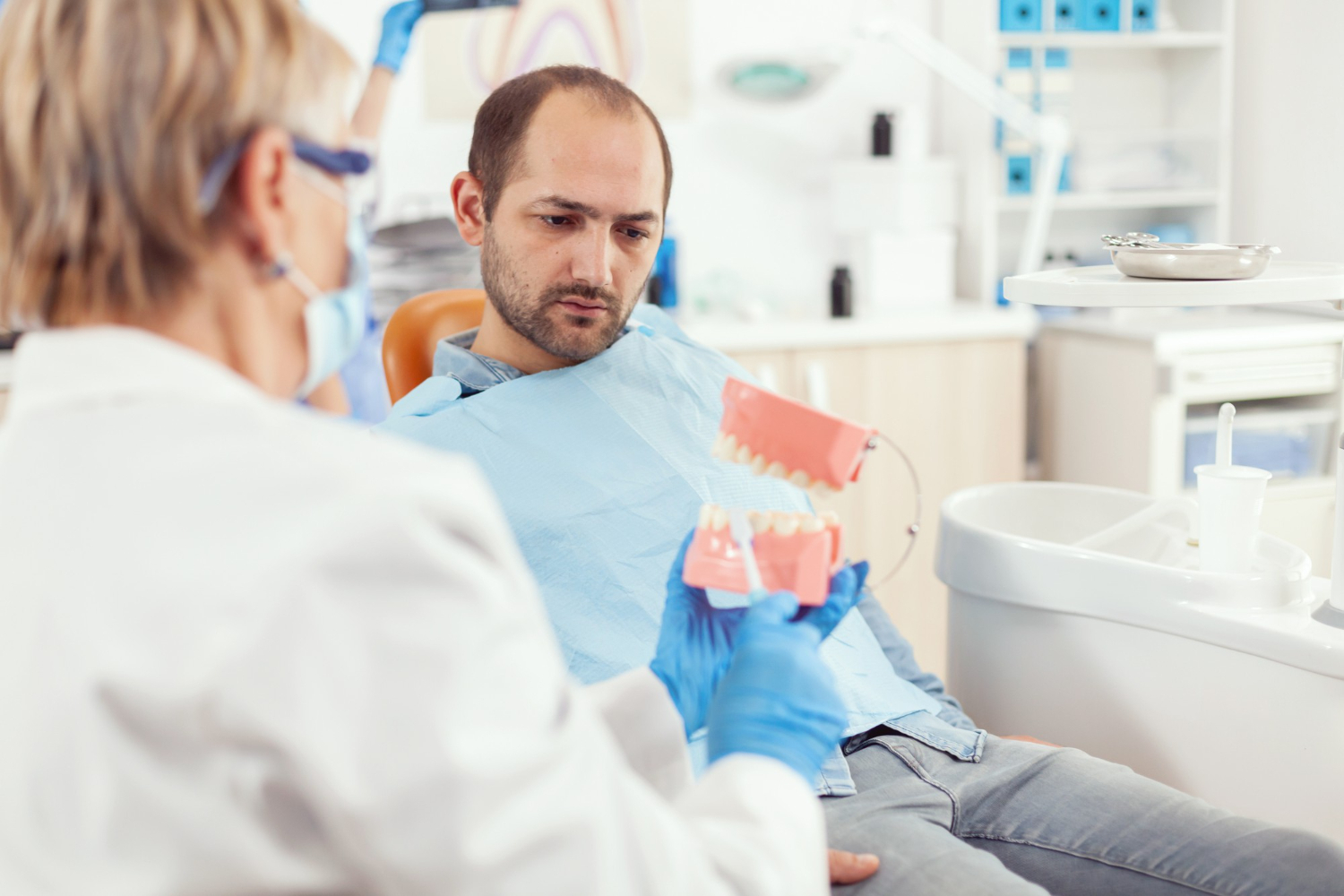

Losing a tooth, whether from decay, injury, or gum disease, affects more than just your smile. It can change how you chew, speak, and even how your remaining teeth sit in your mouth over time. Fortunately, modern dentistry offers several reliable tooth replacement options, and choosing the right one depends on your oral health, budget, and long-term goals.
For decades, the fixed dental bridge has been a trusted solution for replacing missing teeth. But with dental implants and modern dentures now widely available, many patients wonder whether a bridge is still worth considering. This article breaks down how each option works, so you can make an informed decision with confidence.
What Is a Dental Bridge?
A dental bridge is a fixed prosthetic device used to replace one or more missing teeth. It works by anchoring an artificial tooth, known as a pontic, to the natural teeth on either side of the gap. These supporting teeth are shaped and fitted with crowns, which hold the bridge securely in place.
Because a bridge is cemented rather than removable, it functions much like your natural teeth. You can eat, speak, and smile without needing to take it out for cleaning, which many patients find more convenient than removable alternatives.
Comparing Tooth Replacement Options: Bridges, Implants and Dentures
When weighing up tooth replacement options, it helps to understand how each treatment differs in approach, cost, and long-term outcome.
Dental implants involve surgically placing a titanium post into the jawbone, which then supports a crown. Implants are known for their durability and for preserving jawbone density, since they replace the tooth root as well as the visible crown. However, treatment typically takes several months and requires sufficient healthy bone, along with a higher upfront cost.
Dentures, whether partial or full, are removable appliances that sit over the gums. They are generally the most affordable option and suit patients with multiple missing teeth or those who prefer a non-surgical approach. That said, dentures can require more frequent adjustments and may feel less stable than fixed alternatives.
A fixed dental bridge sits between these two options. It does not require surgery, making it suitable for patients who want a permanent solution without the extended treatment timeline of implants. It is often a practical choice when the neighbouring teeth already need crowns, or when implant surgery is not medically suitable.
Benefits of a Fixed Dental Bridge
There are several reasons patients continue to choose a dental bridge for smile restoration. Treatment is generally completed within two to three visits, making it faster than implant placement. Because the bridge is fixed in place, there is no need to remove it for cleaning, and it restores normal biting force more effectively than most removable dentures.
A well-made bridge also helps maintain the position of surrounding teeth, preventing them from shifting into the gap left by a missing tooth. This can reduce the likelihood of bite problems and jaw discomfort developing over time.
What to Expect During Dental Bridge Treatment
The dental bridge procedure typically begins with an assessment of the supporting teeth and surrounding gum health. If the adjacent teeth are strong enough, they are gently reshaped to accommodate crowns. An impression is then taken to design a bridge that fits precisely and matches the colour of your natural teeth.
While your permanent bridge is being custom-made, a temporary bridge is usually fitted to protect the prepared teeth and maintain appearance. Once ready, the final bridge is checked for fit and comfort before being permanently cemented into place.
Most patients experience only mild sensitivity in the days following treatment, and this generally settles quickly. Your dentist will check the bite carefully to ensure the bridge feels natural when chewing and speaking.
Caring for Your Bridge: Dental Bridge Aftercare
Good dental bridge aftercare plays a significant role in how long your restoration lasts. Because the pontic sits above the gumline, it is important to clean underneath it daily using floss threaders, interdental brushes, or a water flosser designed for bridges.
Regular check-ups allow your dentist to monitor the supporting teeth and gums, catching any early signs of decay or gum recession before they become larger issues. With consistent care, a well-maintained bridge can last ten years or longer.
Avoiding excessive force on the bridge, such as chewing very hard foods or using teeth to open packaging, also helps protect both the restoration and the teeth supporting it.
Is a Dental Bridge Right for You?
Choosing between a bridge, implant, or denture ultimately depends on your individual circumstances. A dental bridge tends to suit patients who have healthy, strong teeth adjacent to the gap, want a faster treatment timeline, or prefer to avoid surgical procedures. It can also be a suitable option when bone density is insufficient for an implant without additional grafting.
On the other hand, patients seeking the closest replication of a natural tooth root, or those replacing a single tooth without wanting to alter neighbouring teeth, may find an implant more appropriate. A thorough dental bridge consultation with your dentist is the best way to determine which option aligns with your oral health needs and lifestyle.
Conclusion
Tooth replacement is not a one-size-fits-all decision. While dental implants and dentures each offer distinct advantages, a fixed dental bridge remains a reliable, time-tested option for many patients, particularly when speed, cost, and non-surgical treatment are priorities. Understanding how each option works allows you to approach your treatment with clarity and confidence.
Final Thoughts
Whether you are missing one tooth or several, the right tooth replacement option can restore both function and confidence in your smile. Taking the time to understand your choices and seeking professional advice early helps prevent further complications such as shifting teeth or bite changes.
With more than 30 years of experience providing high-quality dental care in Sydney’s CBD, Dr Finkelstein takes a patient-centred, holistic approach to smile restoration, focused on natural-looking results and long-term oral health. If you are weighing up your tooth replacement options or would like to know whether a dental bridge is right for you, book a consultation today and take the next step towards a healthier, more confident smile.