

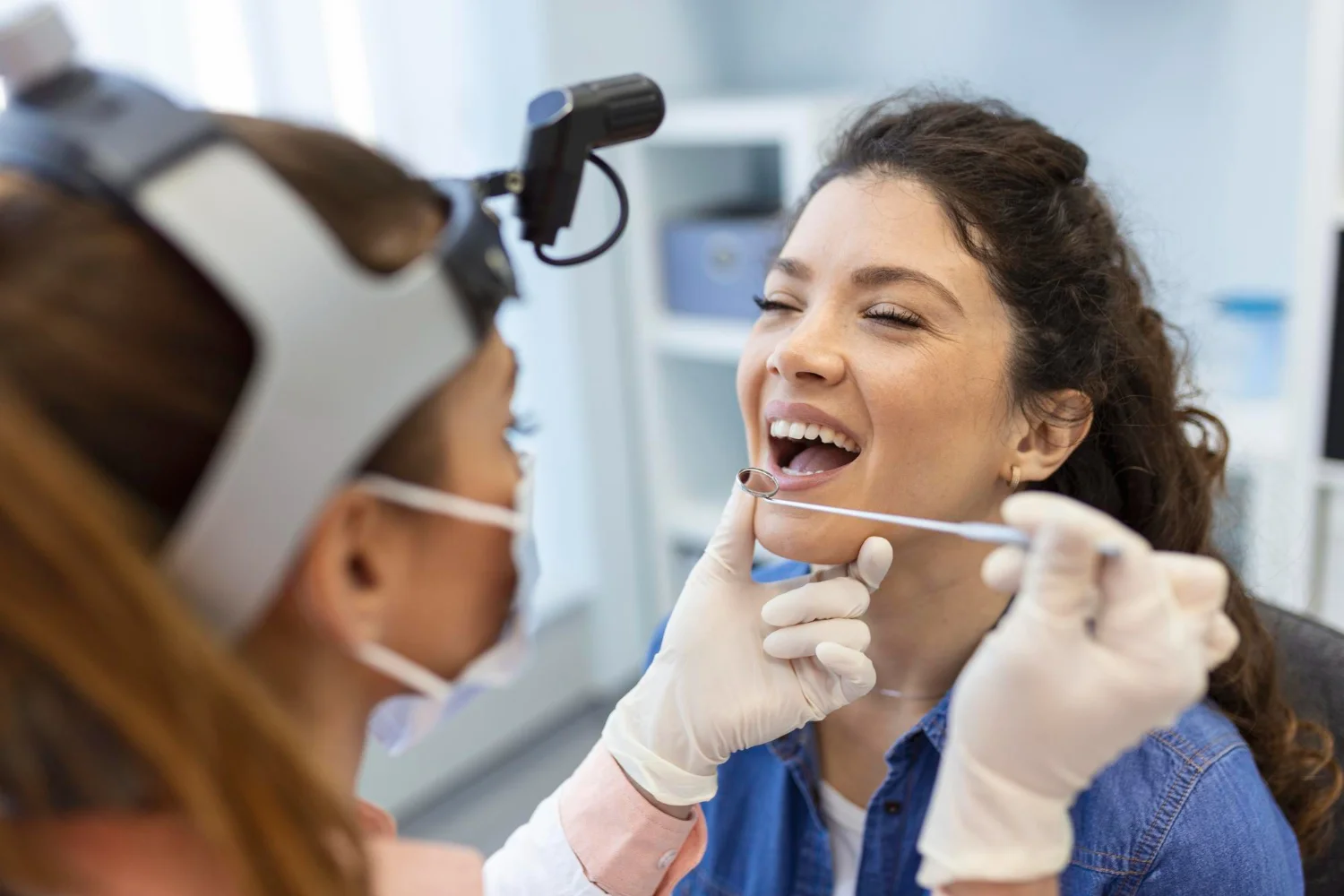

Gum disease is one of the most common dental conditions affecting Australian adults and one of the most misunderstood. Many people don’t realise they have it until symptoms become harder to ignore. Bleeding gums, persistent bad breath, and teeth that feel loose are not signs of normal ageing. They are warning signals that your gums need professional attention.
The good news is that gum disease treatment has advanced significantly. Whether you’re in the early stages or dealing with a more established infection, there are effective options available to restore your gum health, protect your teeth, and help you feel confident in your smile again.
What Is Gum Disease and Why Does It Matter?
Gum disease, also called periodontal disease, is an infection of the tissues that hold your teeth in place. It begins when plaque, a sticky film of bacteria, builds up along and beneath the gum line. If left untreated, this bacterial build-up triggers inflammation that gradually damages the gums, bone, and connective tissue supporting your teeth.
There are two main stages. Gingivitis is the milder, earlier form, where gums become red and swollen and bleed easily. At this stage, the condition is reversible with professional care and improved oral hygiene for healthy gums at home. Periodontitis is the more advanced stage, where the infection spreads deeper beneath the gum line, potentially leading to bone loss and, in severe cases, tooth loss.
Beyond oral health, research increasingly links periodontal disease to broader health concerns, including cardiovascular disease, diabetes, and pregnancy complications. Seeking early gum disease treatment is not just about protecting your teeth; it is about protecting your overall wellbeing.
Recognising the Causes of Gum Disease
Understanding the causes of gum disease can help you take steps to reduce your risk. The primary cause is poor oral hygiene that allows plaque to accumulate. However, several other factors can significantly increase your susceptibility.
Smoking and tobacco use are strongly associated with more severe forms of periodontal disease and can make treatment less effective. Hormonal changes during pregnancy or menopause can make gums more sensitive and prone to inflammation. Certain medications, including those that cause dry mouth, can also create conditions that favour bacterial growth.
Genetics play a role too. Some people are simply more predisposed to developing gum disease, even with diligent oral hygiene habits. Stress, diabetes, and nutritional deficiencies can further compromise the immune system’s ability to fight gum infections.
Identifying contributing factors early is something a gum disease dentist in Sydney can help you with, and addressing those factors alongside active treatment leads to far better long-term outcomes.
The Early Signs You Should Not Ignore
Gum disease often develops quietly. Many people experience little to no pain in the early stages, which is why routine dental check-ups are so important. That said, there are signs worth paying attention to.
Gums that bleed when you brush or floss, even occasionally, are not something to dismiss. Persistent bad breath that does not improve with brushing can indicate a gum infection. Gums that appear to be pulling away from your teeth, or teeth that seem longer than they used to, may suggest gum recession. Sensitivity when eating or drinking hot or cold foods can also be a signal.
If you notice any of these symptoms, booking an appointment with a dentist sooner rather than later gives you the best chance of reversing damage and avoiding more complex treatment down the track.
Professional Gum Disease Treatment Options
Treatment depends on the severity of the condition. A thorough assessment, including charting the depth of gum pockets around each tooth, helps your dentist determine the most appropriate course of action.
Gum Infection Cleaning and Scaling and Cleaning
For mild to moderate gum disease, professional cleaning is the cornerstone of treatment. A standard scale and clean removes plaque and tartar from above the gum line. For gum disease, a more intensive procedure called ‘deep cleaning for gum disease’ or ‘scaling and root planing’ is often required.
This involves carefully cleaning below the gum line, removing bacteria and deposits from the root surfaces of the teeth. It is typically performed with local anaesthetic to ensure comfort, and gentle gum treatment is prioritised throughout. For patients who experience dental anxiety, this is an area where a calm, unhurried approach makes a real difference.
Laser Gum Disease Treatment
Laser technology has become an increasingly valuable tool in modern periodontal care. Laser gum disease treatment uses focused light energy to target infected tissue and bacteria with a high degree of precision. It can reduce the need for traditional surgical intervention and is associated with less discomfort, reduced bleeding, and faster healing times for many patients.
Not every case is suitable for laser treatment, but for eligible patients, it offers a less invasive pathway to healthier gums.
Surgical Gum Disease Treatment
In more advanced cases where deep cleaning alone is insufficient, surgical gum disease treatment may be recommended. Procedures such as flap surgery allow the dentist or periodontist to access deeper areas beneath the gum line, remove infected tissue, and in some cases reshape the bone. Bone grafting or guided tissue regeneration may also be used to repair damage caused by the disease.
While the word “surgery” can feel daunting, these procedures are performed under local anaesthetic and are designed to halt disease progression and help restore a healthier foundation for your teeth.
The Role of Ongoing Oral Hygiene for Healthy Gums
Professional treatment addresses the existing infection, but maintaining results requires a consistent commitment at home. Brushing twice daily with a soft-bristled toothbrush, flossing or using interdental brushes daily, and rinsing with an antibacterial mouthwash where recommended all contribute to keeping the gum line clean.
Your dentist will typically recommend more frequent maintenance appointments following gum disease treatment, often every three to four months initially, to monitor healing and prevent recurrence. Oral hygiene for healthy gums is a long-term habit, not a one-time effort.
Lifestyle factors also matter. Quitting smoking, managing blood sugar levels if you have diabetes, and addressing stress all support better gum health over time.
How Do Healthier Gums Transform Your Smile and Confidence?
The connection between gum health and self-confidence is often underestimated. Swollen, red, or receding gums can change the way your teeth look. Persistent bad breath from a gum infection affects how comfortable you feel in social and professional settings. Loose or shifting teeth can make eating and speaking more difficult.
Effective gum infection treatment does more than stop disease; it restores. As inflammation resolves and gums become healthy and firm again, the appearance of your smile improves noticeably. Teeth look cleaner and better supported. Breath freshens. And for many patients, that renewed sense of confidence in their smile carries into every area of their lives.
A healthy smile is not just cosmetic. It is an expression of overall health and self-care, and addressing gum disease is one of the most meaningful steps you can take towards achieving it.
Final Thoughts
Gum disease is far more common and far more treatable than many people realise. The key is not to wait. Early gum disease treatment is less complex, more cost-effective, and produces better outcomes than intervention at a later stage. Whether you have noticed symptoms or simply want to understand your gum health better, a professional assessment is always the right starting point.
With more than 30 years of experience providing high-quality dental care in Sydney’s CBD, Dr. Finkelstein takes a patient-centred approach focused on long-term oral health and comfortable treatment experiences. From gentle gum infection cleaning through to advanced laser and surgical gum disease treatment options, his practice is equipped to support you at every stage of your periodontal health journey.
If you have questions about gum disease or would like personalised advice, book a consultation today and take the next step towards healthier gums and a more confident smile.


